
Types of Marketing in Modern Times: A Comprehensive Guide for Businesses
Introduction
1. Digital Marketing
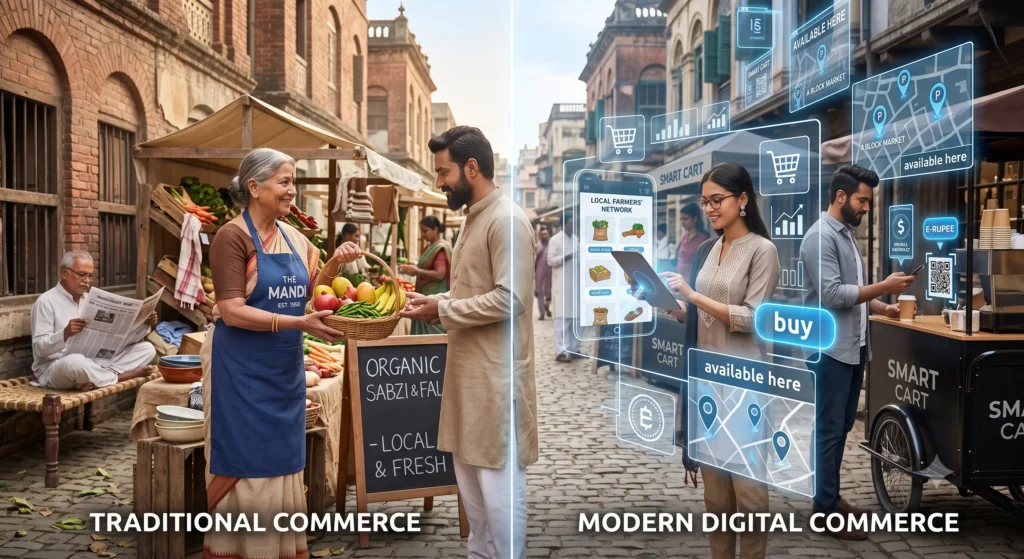
Digital marketing is a technic term that covers all kinds of marketing activities conducted over the Internet. In essence, any promotion of a product or service via electronic media and devices falls under this category. SEO, email marketing, search engine, and social media marketing are the main types of digital marketing. Since the majority of customers conduct product research online, companies that fail to invest in digital marketing, risks losing thousands of potential clients. This marketing type is highly effective, highly measurable, and reaches engaged customers.
The Marketing has changed dramatically over the last decade. Traditional methods, including newspaper ads and billboards, are slowly being phased out as tech-savvy modern consumers turn to the internet to research and buy products and services. Businesses had to adapt to these changes and develop new strategies to engage customers. If you are a business owner hoping to thrive in the competitive market, here is a list of the most effective marketing types to help you succeed.
Key benefits of digital marketing include:
- Global outreach
- High ROIs
- Ability to target specific audiences
- 24/7 availability
- Strong customer engagement
2. Search Engine Optimization (SEO)
If you want your business website to appear on the first page of search results, you need to invest in SEO services. SEO agencies conduct extensive research and optimize your site’s content so that your page gets more organic traffic. Though some aspects of SEO are complex, you do not need to be a tech genius to understand the basics of SEO marketing. SEOs analyses various factors, such as keyword, domain rating, and page speed, and consider them when working on a strategy.
SEO agencies typically focus on the following areas:
- Keyword research
- On-page and technical optimization
- Content creation
- Local SEO
- Backlinks
So, why is SEO important? It has an Greate impact on a company’s bottom line. SEO is a long-term and affordable investment with phenomenal returns. You may get a steady flow of qualified leads without having to spend a fortune on paid ads.
3. Social Media Marketing
From Facebook, Instagram and LinkedIn to YouTube and, social networks have become the best place to promote a business reach and engage with the audience. All major social media sites offer businesses promotional tools to support their marketing efforts. In addition, social media is an excellent place to network and build relationships with other businesses. Brands use social media to accomplish a variety of marketing objectives, including boosting sales, increasing brand awareness, distributing press releases, and engaging with the audience.
The following are the main social media marketing strategies:
- Running targeted ads
- Posting entertaining and informative content
- Making product videos and Reels
- Collaborating with influencers
- Collaborating with influencers
- Hosting contests and giveaways
- Live streaming
The main benefit of social media marketing is that it can work as a two-way communication channel. Unlike old school marketing, social media allows the audience to actively participate in the conversation. As such, social media marketing is an excellent way to foster customer relationships and build brand loyalty.
4. Content Marketing
Content marketing is all about sharing valuable information with your target audience. Instead of hard-selling, you provide useful content that educates and entertains your customers. This marketing type focuses on creating high-quality content, such as blog posts, videos, whitepapers, and case studies, to attract and retain clients. Content marketing is a powerful tool because it builds brand authority and encourages customers to purchase your products or services.
Businesses use the following content types to promote their brand:
- Blogs
- Podcasts
- Books and E-books
- Case studies
- Review articles
- FAQs
- Video reviews
- Infographics
Websites with informative content tend to rank higher in search engine results since search engines prioritize informative websites. Additionally, content marketing supports SEO efforts by driving traffic to your website.
5. Email Marketing
Contrary to popular belief, email marketing is one of the most effective ways to market a product or service. Email campaigns require minimal investment and provide a great ROI, making them ideal for small businesses. Marketers use email to inform, entertain, and engage clients. In addition, emails are a fantastic tool for lead nurturing and retaining existing customers. Businesses use a variety of promotional emails, including product announcement emails, newsletters, sales emails, and event invitation emails.
Email marketing’s main advantage is that it allows for direct communication with the audience. Email marketing service providers offer automation features that enable you to build relationships with your clients. You can collect customer data and use it to personalize your emails, improving your chances of converting prospects into clients.
6. Pay-Per-Click (PPC) Advertising
With pay-per-click advertising, you only pay when someone clicks on your ad. Companies use PPC services to ensure their ads appear at the top of Google search engine results pages. Google AdWords and Microsoft Advertising are some of the most popular PPC platforms. Marketers use a variety of ad formats, including display ads, video ads, image ads, and more. PPC campaigns are highly effective, as they target motivated buyers and produce outstanding results in a short time.
When you work with a PPC agency, it identifies the best advertising channels for your business and develops a strategy to help you get the best value for your money. In addition, you can choose to target geo-specific audiences, making it possible to promote local services to nearby residents. Businesses use Pay-Per-Click advertising for the following reasons:
- Launching new products
- Generating high-quality leads
- Increasing sales during seasonal sales
- Promoting local services
- PPC marketing campaigns offer incredible flexibility and a fantastic ROI.
7. Influencer Marketing
Influencer marketing has changed the game as brands realize the incredible power of social media personalities. Companies collaborate with influencers to promote their products and services on social media. Influencers can be niche experts, such as beauty gurus or fitness coaches, or famous entertainers with millions of followers. Businesses choose influencers based on engagement rates, the size of their audience, and their area of expertise. This marketing type is perfect for brands that want to leverage the influence of popular social media personalities and tap into their audience.
- Influencer categories:
- Nano and micro-influencers
- Macro influencers
- Celebrity influencers
- The following industries benefit tremendously from influencer marketing:
- Beauty and cosmetics
- Fashion
- Travel and tourism
- Technology
- Healthcare
- Fitness and wellness
8. Video Marketing
YouTube dominates the digital space as the second-largest search engine in the world. More and more businesses are using video marketing to engage their audience and boost sales. Videos are a fantastic way to promote a business, as they attract attention and convey your message clearly and concisely. Marketers use the following video types to promote their brand:
- Product videos
- Customer testimonials
- Educational videos
- Company tours
- Storytelling
- How-to guides
- Businesses use video marketing for the following reasons:
- Boost brand awareness
- Drive traffic and sales
- Educate the target audience
- Increase customer engagement
- The following are some of the major benefits of video marketing:
- High view-through rates
- High engagement
- Great conversion rates
- Superior SEO advantage
9. Affiliate Marketing
If you are looking to boost your sales while minimizing your marketing expenses, you should consider affiliate marketing. In essence, affiliate marketing is a performance-based partnership, where other companies promote your product or service in exchange for a commission. You can work with bloggers, YouTubers, and influencers to market your brand on their social media pages and blogs.
Here are some of the reasons why affiliate marketing is a fantastic option:
It has low overhead since you only pay when someone buys your product.
The marketing effort is made by others, meaning you can sit back and enjoy the rewards.
Affiliate marketing can greatly benefit e-commerce companies by increasing brand awareness and driving sales.
10. Mobile Marketing
Smartphones have changed the game as more people spend countless hours on their mobile phones every day. Companies are capitalizing on this trend and using mobile apps to engage their audience. Effective mobile marketing requires businesses to have responsive websites and mobile applications. Marketers employ the following mobile marketing strategies:
- SMS marketing
- In-app marketing
- Geo-targeting
- Location-based push notifications
As such, mobile marketing helps businesses reach a wide audience and improve their bottom line.
11. Local Marketing
Local marketing is crucial for businesses that only operate in a specific geographic location. In other words, local marketing is all about attracting nearby customers. The following businesses benefit tremendously from local marketing:
- Restaurants and bars
- Salons and spas
- Healthcare facilities
- E-commerce store
- Real estate agencies
- Local marketing strategies include:
- Optimizing your Google Business Lostine
- Local SEO tactics
- Collecting customer reviews
- Geo-targeted Google Ads
Traditional marketing is important but has limited reach. Local marketing is a fantastic way to promote a business and attract local clients.
12. Traditional Marketing
Traditional marketing refers to conventional methods of advertising, including billboards, radio jingles, and newspaper ads. Traditional marketing is a valuable addition to a comprehensive marketing strategy. Although it may not be as effective as digital marketing, it still reaches millions of consumers. In addition, traditional marketing offers incredible creative freedom, which is why many companies are still investing in it.
13. Referral Marketing
Word of mouth has always been a powerful marketing tool, and referral marketing enables businesses to capitalize on this. Referral marketing relies on the recommendation of happy customers. In other words, your existing clients become brand ambassadors and encourage their network to buy your product or service. Referral marketing programs are perfect for businesses that offer exceptional products and services. Customers love sharing their positive experience with others, and they are more likely to refer you if they feel like they benefited from your company.
- Referral programs offer a variety of rewards, including:
- Gift cards
- Cashback rewards
- Commission per sale
- Points that can be redeemed for rewards
14. Experiential Marketing
Experiential marketing is a unique way to engage your audience and build brand loyalty. Experiential marketing is different from other types of marketing, as it is more focused on an immersive experience rather than directly promoting the brand. Businesses use experiential marketing to create a unique feeling so that the audience associates it with the brand. Experiential marketing is used extensively in the cosmetics and fashion industries. It typically takes place at an exhibition or a unique venue where a product launch is held.
The following are the main experiential marketing examples:
- Product launch events
- Brand pop-ups
- Interactive exhibitions
- Live performances
Which Marketing Types Are Most Effective?
As mentioned above, there is no one-size-fits-all solution. The effectiveness of a particular marketing type depends on an array of factors, including the industry, target audience, and budget. For example, local SEO, Google Ads, and Instagram marketing are a perfect fit for restaurants. In contrast, e-commerce stores benefit from SEO, PPC, influencer marketing, and email marketing. A comprehensive marketing strategy typically combines several marketing types rather than focusing on one.
The Future of Marketing
The marketing landscape keeps changing as the world becomes more digital than ever. Businesses are adopting artificial intelligence and automation to improve their marketing efforts. Some of the major trends shaping the future of marketing include voice search optimization, marketing automation, interactive content, and predictive marketing. In the future, brands will continue to embrace personalization at every touchpoint with the audience. By providing unique and tailored experiences, businesses will be able to strengthen their relationship with the client and improve their bottom line.